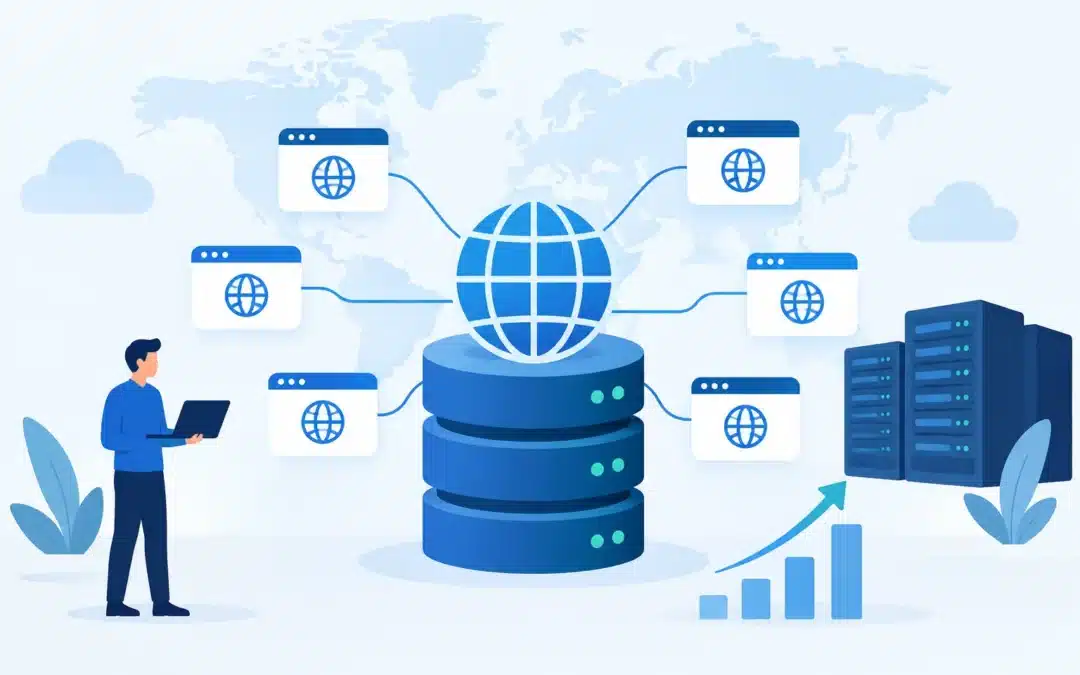
Growth exposes every weakness in a registrar’s operating model. Processes that work at a few thousand domains begin to strain at tens of thousands, and manual fixes that one experienced person handled quietly become queues, delays and errors. Scaling well means...
A domain registry is not simply a database of names. It is the operational authority behind a namespace, responsible for maintaining accurate domain records, enforcing policy, enabling registrar transactions, and keeping a trusted digital identifier available when...
A registry data quality review is not an administrative cleanup exercise. For a domain registry, it is a direct test of whether the data powering registrations, renewals, transfers, billing, abuse response, reporting, and policy enforcement can be trusted. When core...
Public registration data is no longer simply a text response served from a legacy WHOIS endpoint. For registry operators and registrars, a WHOIS RDAP transition guide is an operational planning document: one that connects policy obligations, data quality, access...
A registration command that passes basic syntax checks can still violate registry policy, create an unbillable domain, or leave a name in the wrong lifecycle state. For registry operators and registrars, the ability to validate domain registration rules is not a...
How we built an in-house coding agent that knows the rEngin codebase — without ever sending the source out of the building. Running a shared registry is not a single application. rEngin is a multi-repo stack: the registry engine, EPP edges, REST APIs, React and...