A domain name does not simply expire. It moves through a sequence of operational states that affect registrants, registrars, billing teams, abuse processes, and registry revenue. When teams configure domain lifecycle policies, they are defining how that sequence...
A registry that relies on manual queues to validate registrations, apply policy changes, reconcile billing, or respond to lifecycle events will eventually face an operational ceiling. Registry automation trends are changing that equation by moving repeatable,...
A new gTLD can look fully funded, well branded, and commercially promising on paper – then stall because one operational dependency was handled too late. That is why the best new gTLD launch checklist is not a marketing timeline. It is a readiness framework that...
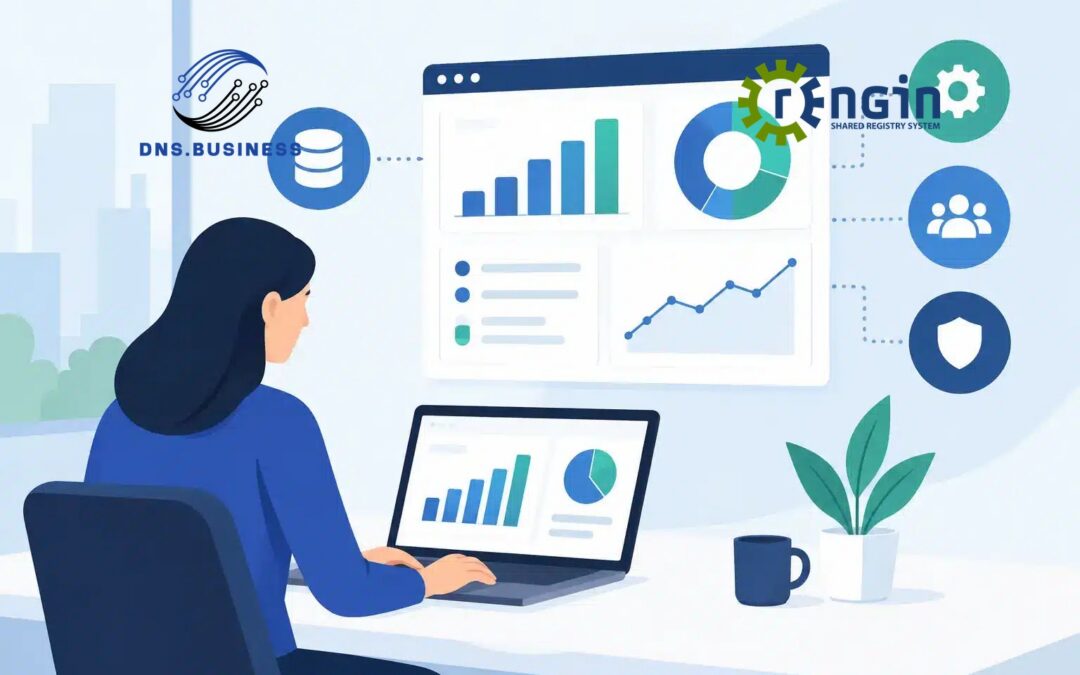
A registry can process millions of transactions accurately and still face operational risk if its leadership cannot see what those transactions mean. Renewal patterns, registrar concentration, EPP command failures, reserved-name activity, DNSSEC adoption, and abuse...
Country-code and generic top-level domains run on similar technology. Both need a registry database, EPP provisioning, DNS publication, DNSSEC, RDAP or WHOIS, and a registrar channel. The way they are governed, regulated and grown is very different, and those...
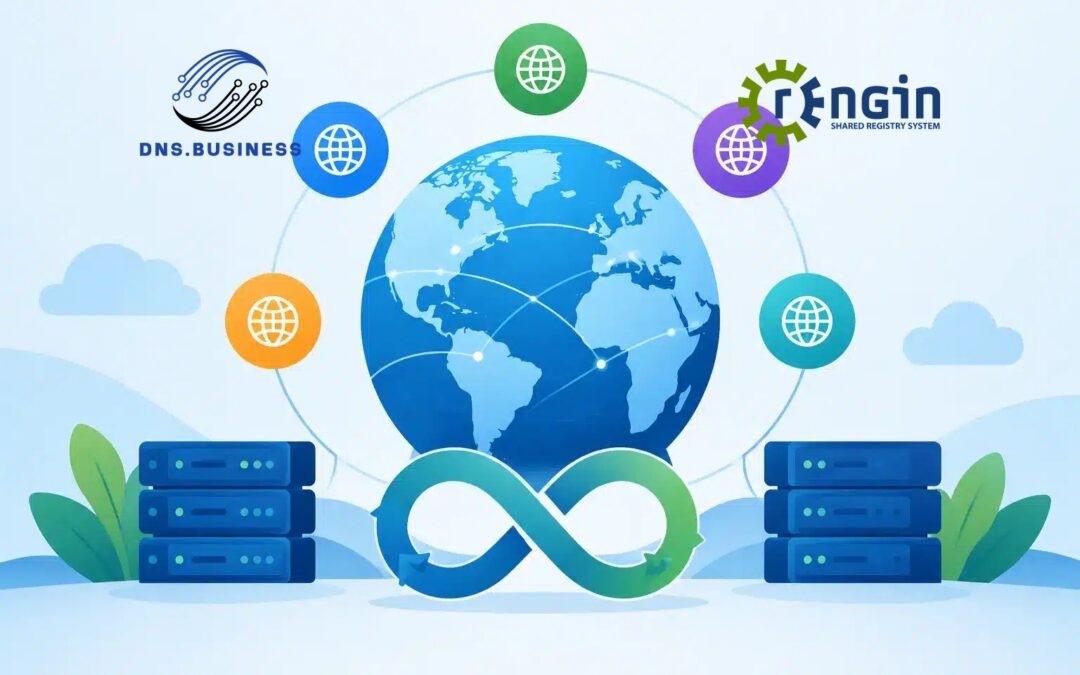
A top-level domain is public infrastructure. When a registry fails, registrars cannot provision or renew names, and if DNS publication is affected, websites and email across the namespace can be at risk. Failover architecture is how a registry operator keeps those...