A registrar integration that fails during a peak launch window is not a minor technical issue. It is a revenue problem, a support problem, and often a reputation problem. That is why an EPP domain management system deserves attention at the infrastructure level, not just as another software component in the stack.
For registry operators, registrars, and enterprise namespace owners, EPP is the operational language behind domain provisioning. But the value does not come from protocol support alone. It comes from how effectively the platform translates EPP transactions into controlled, compliant, and scalable domain operations. The difference between a basic implementation and a production-grade system shows up quickly when transaction volumes rise, policies evolve, or migration deadlines tighten.
What an EPP domain management system actually does
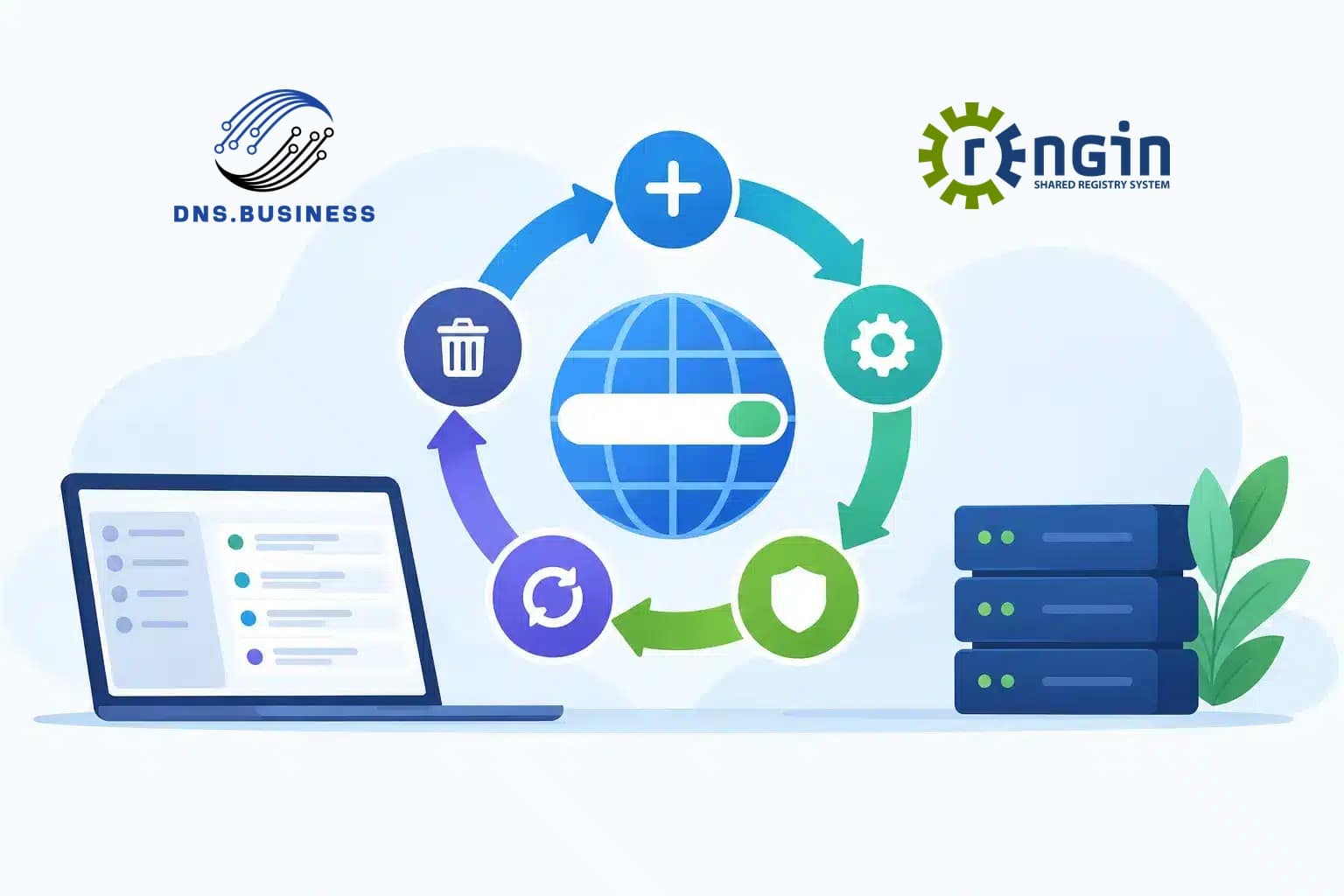
At its core, an EPP domain management system manages the life cycle of domain objects and related resources through Extensible Provisioning Protocol workflows. That includes domain create, renew, transfer, update, delete, host object administration, contact management, status handling, and extension support where registry policy requires it.
In practice, the system sits at the center of registry or registrar operations. It validates commands, enforces business rules, logs transactions, applies security controls, and synchronizes state across the wider domain environment. Depending on the operating model, it may also connect with billing, abuse handling, DNS provisioning, escrow, reporting, compliance workflows, and customer-facing portals.
This is where many buying decisions go wrong. EPP compliance on paper is not enough. A platform may support the protocol and still create operational friction if policy logic is rigid, extension support is weak, monitoring is shallow, or integration options are limited.
Why EPP domain management system selection affects long-term operations
A good EPP domain management system should reduce operational drag. It should let your team process domain events consistently, onboard channel partners faster, and adapt policy controls without rebuilding the platform each time a rule changes.
That matters because domain businesses rarely stay static. A ccTLD may expand registrar participation. A new gTLD operator may move from launch phases into steady-state growth. A registrar may need to automate reseller provisioning, tighten abuse controls, or support premium name workflows. If the platform cannot absorb that change cleanly, growth starts to depend on workarounds.
The strongest systems are designed for the domain industry first. They understand that a registry back end is not a generic CRM, billing engine, or e-commerce platform with EPP added later. It is specialized infrastructure that must balance protocol precision, policy enforcement, uptime expectations, auditability, and integration performance.
Core capabilities that matter in production
Protocol coverage is only the starting point. What matters more is how the system behaves under real operating conditions.
Policy enforcement and extensibility
Every namespace has its own operating realities. Eligibility rules, reserved name policies, fee models, launch phases, premium inventory, contact requirements, and transfer restrictions all need consistent enforcement. An EPP domain management system should make those controls configurable, not hard-coded to the point that every change becomes a development project.
Extension support is equally important. If your business model includes launch programs, fee extensions, IDN handling, DNSSEC workflows, or jurisdiction-specific requirements, your platform needs room to implement them without destabilizing the core environment.
Security, audit, and access control
Domain infrastructure is a high-trust environment. Authentication, role-based access, command traceability, and full audit records are not optional. The system should support secure registrar connectivity, detailed logging, and operational visibility that allows your team to investigate disputes, detect misuse, and respond to incidents quickly.
Security also includes process discipline. A platform that allows uncontrolled changes, weak segregation of duties, or poor command visibility creates avoidable risk, especially in regulated or institutionally sensitive namespaces.
Scalability and transaction resilience
Domain volumes do not rise in a straight line. They spike around launches, marketing campaigns, transfers, renewals, and partner onboarding. The right EPP domain management system should handle sustained traffic and burst activity without transaction ambiguity or degraded service quality.
This is not only about raw throughput. It is about queue handling, state consistency, retry logic, session management, and predictable behavior during partial failures. Systems that look efficient in a lab can become operationally expensive when real-world exception handling starts to dominate support tickets.
Integration with the wider registry stack
No EPP layer operates in isolation. It has to work cleanly with DNS provisioning, WHOIS or RDAP services, data escrow, billing, notifications, reporting, and abuse response processes. If those integrations are weak, manual work expands and control gaps appear.
A well-architected platform helps operations teams move from fragmented administration toward coordinated domain life cycle management. That directly improves service quality, reporting accuracy, and partner confidence.
Common gaps in legacy or generic platforms
Many operators do not replace systems because they want new software. They replace them because the old environment has started to limit the business.
One common issue is inflexibility. Legacy systems often require code changes for policy adjustments that should be configuration-driven. Another is poor observability. When teams cannot quickly determine why a command failed, where state changed, or which rule blocked an action, routine operations become harder than they should be.
Generic platforms can create a different problem. They may offer broad workflow tools but lack native understanding of domain object relationships, EPP extensions, registrar operational patterns, and registry-grade compliance demands. That usually means more customization at the start and more maintenance over time.
There is also the migration question. Moving away from a constrained environment can feel risky, especially for established registries with live registrar channels and active domain portfolios. But staying on a platform that cannot scale, automate, or support policy change has its own cost. Delayed modernization often shows up later as revenue leakage, operational bottlenecks, and partner dissatisfaction.
How to evaluate an EPP domain management system
The best evaluation process starts with your operating model, not a feature checklist.
If you are a registry operator, examine how the system handles policy complexity, registrar onboarding, launch readiness, reporting, and high-availability requirements. If you are a registrar or reseller platform operator, focus on API performance, transaction reliability, automation depth, and downstream customer administration. If you are managing a branded or regulated namespace, governance controls and auditability may matter as much as transaction speed.
Ask practical questions. How are policy changes deployed? What is configurable by operations teams versus engineering teams? How are extensions supported? What monitoring exists for EPP sessions and command outcomes? How does the platform manage failed transactions, retries, and reconciliation? What does migration support actually include?
Vendor experience matters here. A provider that has managed live namespace operations, handled registrar relationships, supported migrations, and operated under industry compliance expectations will usually spot risks earlier and design controls more realistically.
That is one reason specialized providers such as DNS.Business are positioned differently from general software vendors. The domain industry has protocol standards, policy dependencies, operational sensitivities, and scaling patterns that reward direct sector experience.
Deployment models and trade-offs
There is no single right deployment model for every operator. Some organizations want licensed software under direct internal control. Others prefer SaaS or managed service delivery to reduce operational burden and speed up implementation.
The trade-off depends on internal capability, governance requirements, growth plans, and risk tolerance. Full internal control may suit organizations with mature technical teams and strict hosting preferences. Managed delivery can be a stronger option when time to market, migration assurance, and ongoing specialist support matter more than direct platform ownership.
What should stay consistent across models is accountability. Whether the system is hosted internally or delivered as a managed service, the expectations around uptime, security, change management, reporting, and support need to be clear and measurable.
The strategic case for getting this right
An EPP domain management system is not just a registrar gateway or registry middleware layer. It is a control point for growth, compliance, and service quality. When designed well, it helps operators automate repeatable processes, enforce policy with confidence, and scale domain operations without adding unnecessary complexity.
That becomes more valuable as namespaces mature. Market expectations rise, abuse scrutiny increases, and partner ecosystems demand better tooling. Operators that treat EPP infrastructure as a strategic asset are usually better prepared to expand product offerings, support more channels, and manage change without service disruption.
The right system should not force your organization to choose between flexibility and control. It should give you both, with the governance, visibility, and operational strength needed to support long-term domain growth.
If you are assessing platforms now, focus less on whether a vendor can demonstrate EPP commands and more on whether they can support the realities of live domain operations over the next five years. That is where the real decision sits.